
OUR TAKE · Ports and Network Planning
Tuas Port Phase Two: what changes for shipping network plans?
Singapore has broken ground on Tuas Port Phase Two. Separate the planned 2028 opening from today's routing, capacity and warehouse decisions.
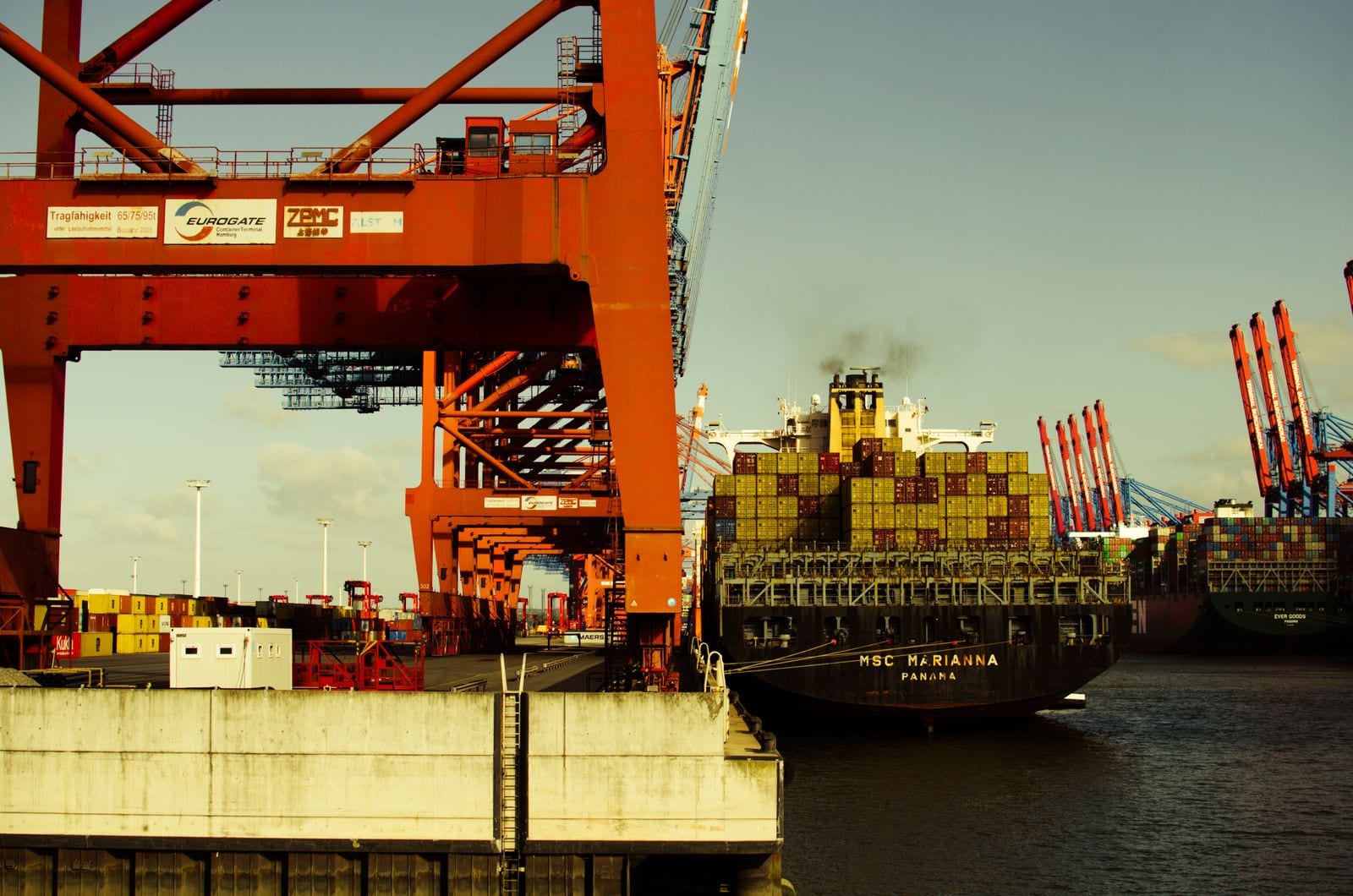
Singapore's Tuas Port Phase Two belongs in a shipper's long-term network review. It is not a reason to assume that a shipment booked today has gained extra capacity or a faster connection.
PSA Singapore announced the groundbreaking on November 20. Operations are planned to start progressively from 2028. For freight buyers, the immediate task is to distinguish the construction milestone from the later services, terminal arrangements and inland connections that will make new infrastructure useful.
Key takeaways
- Phase Two's planned capacity is future infrastructure, not current bookable space.
- Track staged opening dates and the services using each stage rather than assuming a single completion date.
- Evaluate the whole connection: ocean service, terminal transfer and onward delivery.
- Treat automation benefits as outcomes to verify, not guaranteed savings in a quotation.
- Keep long-term network options separate from decisions on cargo already moving.
Put the announcement on the right timeline
PSA says Phase Two will add 21 mega berths, with 8.6 kilometres of wharf and a water depth of 23 metres. CNA's November 20 reporting describes the first berths as due from 2028, with the 21 deepwater berths expected by the mid-2030s. The Transport Ministry's speech at the ceremony also distinguishes the initial opening from later completion.
These dates answer different questions. Groundbreaking establishes that the project has reached a construction milestone. A first operating berth establishes a narrower capability. Neither confirms that every carrier service, warehouse transfer or customer delivery will use the completed design.
A useful network review therefore has several checkpoints. Record the infrastructure timeline, then ask carriers and logistics providers when their own relevant services and facilities are expected to change. Keep those provider commitments dated and separate from the port development plan.
Start with the connection your cargo needs
A large terminal can matter to global shipping without changing every customer's best route. For a buyer assessing Singapore as a transshipment point, the decision still rests on a specific origin, destination, sailing and delivery requirement.
| Planning question | Evidence to request before changing a network assumption |
|---|---|
| Which services will use the new facilities? | Named carrier service, terminal arrangement and confirmed effective date |
| What happens between arriving and departing sailings? | Connection windows, transfer arrangements and exception handling |
| Does a nearby warehouse improve the delivery path? | Actual receiving capacity, transfer scope, inventory process and onward transport |
| Will the new arrangement change the cost? | A quotation covering the complete movement, with exclusions and validity |
The table is an editorial decision framework, not a statement of arrangements already offered at Phase Two. It helps separate a promising infrastructure plan from the evidence needed for a commercial decision.
For example, a hypothetical importer reviewing a regional distribution hub should compare complete replenishment paths. A shorter transfer on paper provides little value if the relevant service does not call at the intended facility or the warehouse cannot accept the product. Ask the provider to describe the actual path before assigning a benefit in the business case.
Assess automation through service outcomes
PSA's announcement includes plans for autonomous, AI-enabled vehicles and more integrated terminal operations. Those plans explain the project's direction. They do not establish a measured reduction in a customer's current dwell time, freight rate or delivery cost.
Translate the technology discussion into questions that can later be answered with operating evidence: How reliably are planned connections made? How are exceptions communicated? What happens to a container that misses its next movement? Which party owns the recovery plan?
Avoid putting an unsupported efficiency percentage into a sourcing model. A provider can explain its assumptions, show what it has measured and identify which figures depend on infrastructure that has not opened. Compare those answers with the baseline service the business uses today.
Preserve options without disrupting today's cargo
For contracts and facility decisions extending into the coming years, add the Tuas milestones to the review calendar. Identify decisions that would be expensive to reverse, such as warehouse commitments or a major distribution redesign, and determine what evidence must arrive before committing.
For cargo already booked, continue to use confirmed carrier and terminal instructions. The recent container-rate analysis addresses another part of the buying decision: price evidence must still be matched to the lane and service being purchased.
Tuas Phase Two is a substantial development to monitor. Its practical value to an individual shipper will emerge through staged operations and usable connections. Prepare questions and decision dates now; update the network case as those capabilities become real.
Cover photograph is illustrative.