
OUR TAKE · Freight Costs and Procurement
Container rates are falling. Should you seek a fresh quote?
Drewry's November 19 reading shows falling transpacific rates and a rise to Genoa. Here is how freight buyers can decide which quotes to revisit.
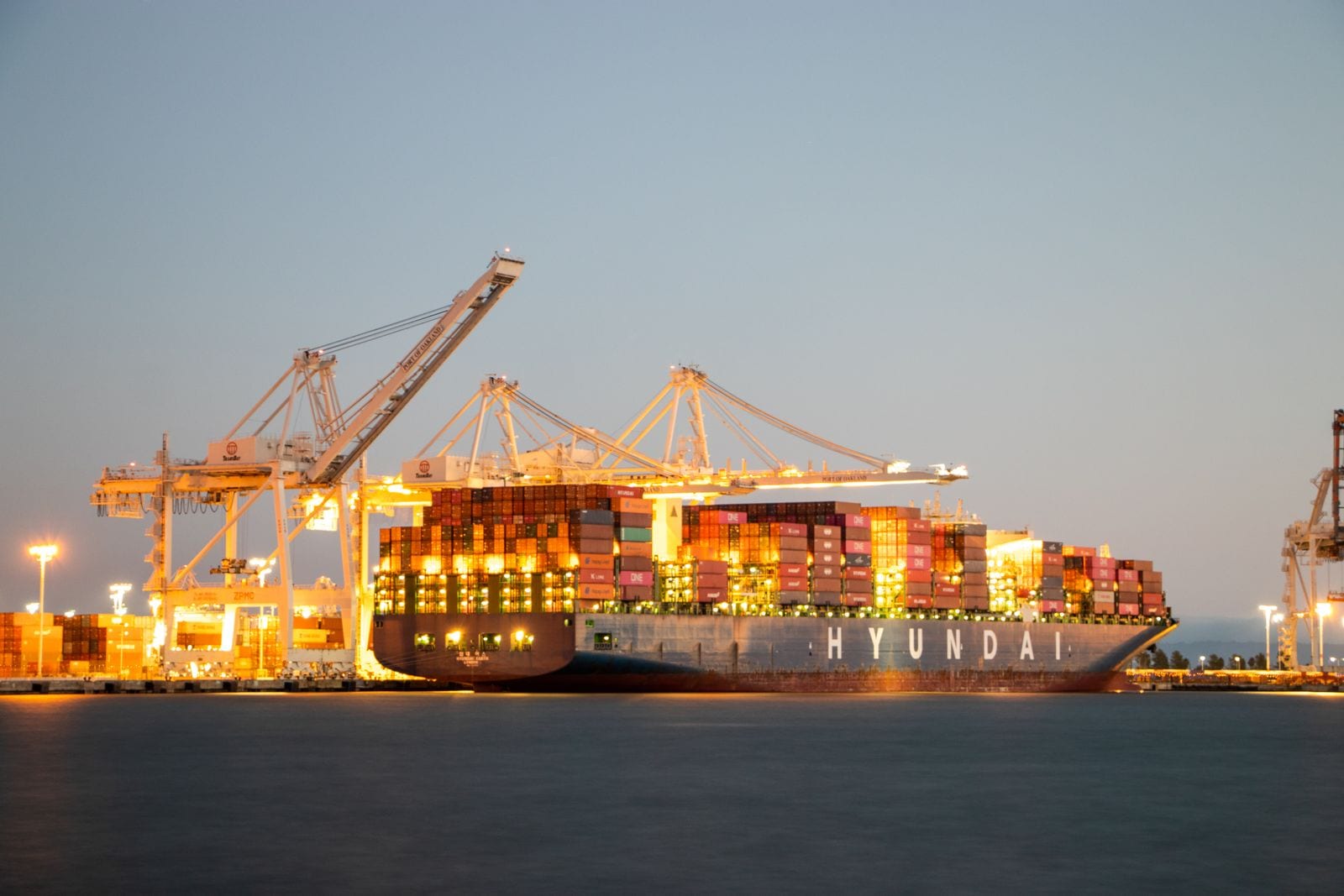
A falling freight index is a reason to review a quote, but the route matters more than the headline. In its November 19 assessment, Drewry reported a 3% weekly decline in the World Container Index to US$4,176 per 40-foot container. The same update showed a rise on Shanghai to Genoa and no change on Shanghai to Rotterdam.
For a freight buyer, that split is the useful news. A supplier quoting a US-bound shipment and one quoting a Mediterranean shipment are responding to different market signals. Asking both for the same percentage reduction would miss the point of the data.
Key takeaways
- Review the benchmark for the booked lane before challenging a quotation.
- Request comparable prices for the same shipment and service scope.
- Check rate validity and sailing dates before assuming a new offer applies.
- Separate a lower price from a decision to delay cargo or cancel an existing booking.
The latest reading shows a divided market
Drewry's November 19 weekly assessment gives a clearer picture than the composite alone:
| Route from Shanghai | Assessed rate per 40-foot container | Weekly change |
|---|---|---|
| New York | US$8,194 | Down 9% |
| Los Angeles | US$7,026 | Down 5% |
| Genoa | US$4,436 | Up 6% |
| Rotterdam | US$3,496 | Unchanged |
Drewry also reports capacity adjustments and announced December peak-season surcharges on Asia to Europe and Mediterranean services. An announced surcharge still needs to be checked against the actual offer; it is not proof of what every shipper will pay.
The decision is therefore lane-specific. A buyer with an unconfirmed Shanghai to Los Angeles shipment has a current basis for asking whether a previous offer can be revised. A Genoa-bound buyer should ask how the latest increase and any applicable surcharge affect its quote, rather than assume a cheaper market everywhere.
Requote the shipment you intend to move
Give the forwarder enough information to price the same job again. Keep the origin and destination, container requirement, commodity, cargo-ready date and delivery scope consistent. If one of those changes, identify it before comparing the prices.
Then ask for the ocean charge and other applicable items to be shown clearly. Confirm which origin and destination charges are included, the currency used, the offer's expiry and the sailings to which it applies. A low number without that scope is difficult to use in a purchasing decision.
The most useful question is specific: “For this shipment, on this route and ready date, can you revise the current offer and identify any change in service or charges?” It gives the supplier a defined request to answer. “The index fell, so cut our rate” does not.
Compare the offers on one page
A quotation comparison should make differences visible before someone approves a booking. Use a simple record:
| Item to compare | What the buyer needs to establish |
|---|---|
| Movement | Same origin, destination and equipment requirement |
| Timing | Cargo-ready date, offered sailing and delivery estimate |
| Service | Routing, any transfers and scope of inland transport |
| Price | Included charges, exclusions, currency and validity |
| Changes | Conditions and costs for amending or cancelling |
If an alternative is cheaper because it excludes a leg of the journey, add that leg before comparing totals. If it offers a different delivery window, ask the receiving team whether that window works. Those are commercial differences, not small print to resolve after the cargo is committed.
This is also where the index has a limit. Its assessed lane rate cannot determine the final cost of a particular door-to-door shipment or establish that two offers provide the same service.
A lower quote does not settle when to ship
Repricing and postponing are separate decisions. A buyer can ask for a better current offer without deciding to hold cargo for another weekly reading.
Before delaying, identify the last workable arrival date, the inventory available until then and the cost of missing that date. Where the order supports a fixed production or customer commitment, those constraints should be visible alongside the freight price.
If an existing booking would have to be cancelled, compare the confirmed saving with the actual cost of changing it. Do not treat the difference between an old quote and an index reading as money already saved. The alternative needs an offer, a workable service and acceptance of the shipment.
Where to focus the next procurement conversation
Start with quotes that remain unconfirmed or are due to expire, particularly where the relevant lane has moved since the offer was issued. Ask the forwarder to refresh both price and service details. For committed cargo, first establish what can be changed under the agreed terms.
Keep a short record of the old offer, the revised offer and the reason for accepting or declining the change. That makes the outcome useful when the next shipment is priced, rather than leaving the team with a headline about a cheaper market and no evidence of what changed in its own buying.
The November 19 figures offer a good prompt for that conversation. They do not support one instruction for every route. The sensible response is to revisit the right quotations, compare the full scope and protect the delivery commitment while testing the price.