
OUR TAKE · Ports and Supply Chain Risk
LA and Long Beach labour deadline: what shippers should confirm
A watchmen's contract deadline raises disruption risk at LA and Long Beach. Check terminal access, container availability and inland plans before changing bookings.
Shippers using Los Angeles and Long Beach should confirm their terminal and inland transport arrangements before changing a shipment plan. The reported watchmen's contract deadline raises a disruption risk, but it does not establish that either port has closed.
The Pacific Maritime Association's November 18 statement identified a contract expiration of 12:01 a.m. Pacific time on Saturday, November 21. That is 1:31 p.m. India time on November 21. At this article's research cutoff of 11:25 a.m. IST, the sources checked did not confirm an agreement, another extension or a walkout. That is a limit of the available evidence, not confirmation that negotiations remain unchanged.
Key takeaways
- Treat a contract deadline, a strike authorization and an actual work stoppage as separate events.
- Check the terminal handling your container and the movement you need to complete.
- Keep ocean availability, truck access, rail departure and warehouse receiving confirmations separate.
- Compare the complete cost and delivery path before diverting or switching transport modes.
- Recheck operating notices before dispatch; a dated article cannot confirm a live pickup appointment.
Why the watchmen's dispute matters beyond the gate
PMA says Local 26 represents about 250 security watchmen at six container terminals. It warns that other waterfront workers could honor their picket lines if a strike occurs. Those are the employer association's account and expectations; they do not prove that all terminals will stop work.
The wider concern prompted a November 20 appeal from trade associations published by RILA. The groups called for negotiations to continue and warned about downstream disruption. gCaptain's November 20 coverage also describes the approaching deadline and the proposed return to bargaining. These reports document the risk and stakeholder concerns, rather than observed nationwide effects.
For a cargo owner, the useful question is where a disruption would first break its own delivery plan. A container awaiting discharge needs a different response from one already available for collection. An export container outside the terminal faces a different decision again.
Match the response to the container's actual position
Start with a short shipment record: terminal, container number, current milestone, next booked movement and customer deadline. Ask the forwarder or responsible operator to confirm the record, with a time attached to the update.
| Shipment position | Confirmation to obtain | Decision it supports |
|---|---|---|
| Vessel approaching the port | Current carrier itinerary and named discharge terminal | Whether to maintain the receiving plan or evaluate a carrier-supported alternative |
| Import container in the yard | Availability, release status, gate appointment and truck acceptance | Whether the next pickup can actually proceed |
| Container awaiting inland rail | Rail acceptance, planned departure and exception contact | Whether the inland delivery estimate needs revision |
| Export load not yet delivered | Terminal receiving window, booking cutoff and truck plan | Whether dispatching the load still serves the intended sailing |
This is a planning framework, not a statement of current terminal rules. The operator responsible for each movement must supply the live answer.
Avoid substituting a vessel's arrival estimate for a delivery commitment. If the customer needs goods at a warehouse on Monday, work backward through discharge, release, collection and receiving. Identify the first unconfirmed step and the latest time at which the team can still choose an alternative.
Price the whole alternative before authorizing it
A diversion or mode change should solve a specific delivery problem. Request a written comparison covering the remaining ocean movement, inland transfer, handling, storage and cancellation commitments. Check which services have accepted the cargo and which remain estimates.
Consider a hypothetical import container with a confirmed truck slot but uncertain terminal access. Moving the warehouse appointment alone does not resolve the access question. Conversely, canceling a workable pickup because of a general strike headline could surrender a useful slot. The response should follow the shipment's confirmed constraints.
The same discipline applies to procurement. The recent fall in container rates answers a price question; it does not establish that a particular route can meet a customer's deadline. Compare cost and execution together.
Give customers a milestone, an owner and a next update
An operational update should state what is confirmed, what is pending, who is resolving it and when the next update will arrive. For example: “The container is released; terminal access for the booked pickup remains unconfirmed. Our transport team is checking the appointment and will update you before truck dispatch.”
Keep forecasts labeled as forecasts. Do not turn a potential delay into a claimed delay, or an expected resolution into a confirmed restart. If an agreement or extension is announced, verify operating acceptance before canceling a contingency. If a stoppage is confirmed, revise the plan against the affected terminal's instructions.
For this deadline, the strongest response is a shipment-specific plan with a clear trigger for changing it. The contract news explains why to check; current operator confirmations determine what to do.
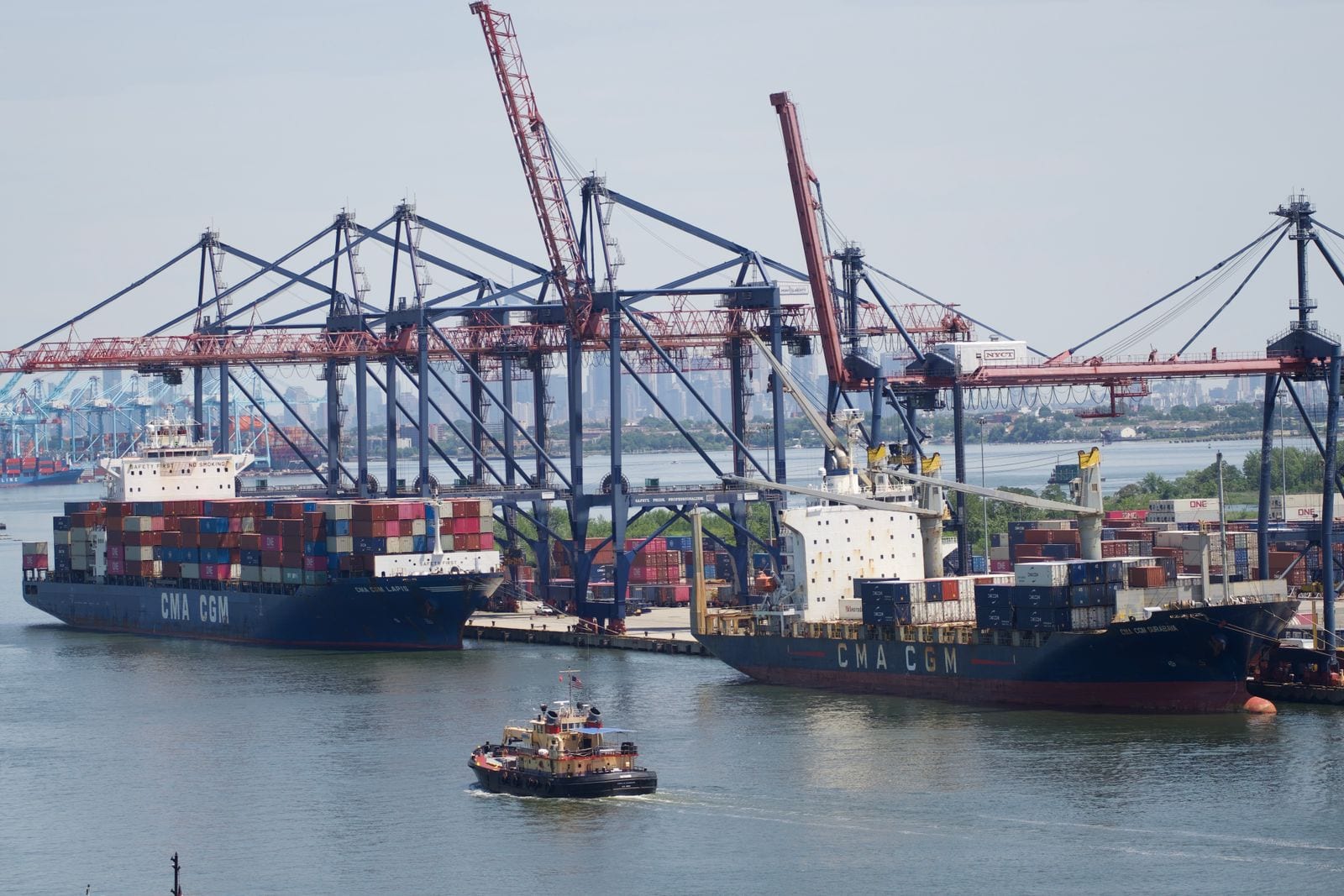
Research cutoff: November 21, 2026, 11:25 a.m. IST. Conditions can change after this cutoff. Cover photograph is illustrative and does not depict the named dispute.