
OUR TAKE · Ocean Freight and Trade-Lane Risk
Hormuz tanker warnings: what cargo owners should confirm
UKMTO's November 21 warnings near Khasab raise shipment-planning questions. Separate confirmed incident reports from changes to your carrier's actual service.
Cargo owners assessing the latest Strait of Hormuz warnings should establish whether their shipment's actual service is affected before changing a delivery plan. The confirmed information is a pair of dated incident warnings. A specific booking's routing, acceptance, timing and charges require separate confirmation from the responsible operator.
On November 21, UK Maritime Trade Operations issued warning 215-26 about a tanker reportedly struck by an unknown projectile north of Khasab, Oman, and warning 216-26 about a report east of Khasab. These are the dates of the reported incidents, not new attacks confirmed on this article's November 23 publication date.
Key takeaways
- Read the original warning's date, location and qualifications before forwarding a headline.
- Two warning numbers do not, by themselves, establish two different vessels.
- Map exposure to the named ocean service and connecting leg, rather than a broad regional label.
- Ask carriers for shipment-specific operating and commercial updates.
- Keep customer commitments tied to confirmed milestones and review the evidence again before acting.
What the warnings establish
Both UKMTO notices cite military authorities as their source. They describe unknown-projectile strikes on tankers transiting outbound through the strait.
| UKMTO warning | Reported incident date and time | Reported location |
|---|---|---|
| 215-26 | November 21, 2026, 05:00 UTC | 11 nautical miles north of Khasab |
| 216-26 | November 21, 2026, 05:50 UTC | 17 nautical miles east of Khasab |
Sources: the two UKMTO warnings linked above. At the time of those notices, casualties had not been reported and environmental effects were unconfirmed. Those are dated notice statements, not a claim that no later information exists.
Reuters reported on November 21 that it was not immediately clear whether the reports concerned the same vessel. The report corroborates the public reporting and preserves that uncertainty; it does not independently establish a vessel count.
The warnings justify attention to the affected area. They do not establish a universal port closure, a change to every Gulf service or a quantified increase in an individual customer's freight cost. This article has not verified an operator instruction changing a particular booking.
Trace the shipment through the relevant leg
Start with the vessel or service name, ports of call, any feeder connection and the next physical milestone. A purchase order's origin and destination do not describe every leg between them. Ask the forwarder or carrier to identify the part of the planned movement that creates exposure to the reported area.
For goods already afloat, obtain the latest shipment-specific itinerary and distinguish a planned arrival from a confirmed discharge or onward connection. For cargo still at origin, ask whether the booking remains accepted under the current operating plan. Keep the response's time and named contact with the shipment record.
That exercise also identifies who must answer the next question. The mainline carrier can explain its sailing plan; a forwarder can coordinate the complete movement; the inventory team can identify the customer or production deadline that makes a delay commercially significant. Give one person responsibility for bringing those answers together.
Compare changes against the delivery requirement
A proposed alternative should be assessed against the shipment's remaining path. Request its receiving arrangements, onward connection, estimated delivery, cost scope and cancellation commitments. Identify which elements are confirmed and which still depend on another provider.
Consider a hypothetical component shipment that must reach a factory before a production run. A different gateway is useful only if the cargo can be received there and the inland movement can meet that deadline. An attractive departure time alone does not resolve those dependencies.
Agree on the latest decision point while alternatives remain available. That could be before origin dispatch, a receiving cutoff or a customer's receiving appointment. The decision point should come from the shipment's constraints, rather than an arbitrary response to the latest headline.
Ask what a new charge actually covers
If a provider proposes a charge, request the written basis, applicable shipment scope, effective period and included services. Keep a charge announcement separate from a revised delivery estimate: each answers a different commercial question.
This article does not estimate insurance premiums, determine policy coverage or advise a vessel's navigation. Cargo owners should take coverage questions to their qualified insurance contact and rely on the vessel operator and current official guidance for operational decisions at sea.
For procurement, the useful record is a complete comparison of the existing and proposed arrangements. The recent container-quote guide provides a related cost discipline: a market signal still needs to be matched to the service actually being bought.
Make the next customer update specific
State the shipment's confirmed position, the next milestone, any revised commitment and the unresolved dependency. If the carrier has not changed the service, say what is being checked rather than inventing a delay. If it has changed the plan, identify the affected shipment and the basis for the revised estimate.
Keep a time for the next review and a named owner for it. A dated incident report can explain why attention is needed; a current operator response determines how the shipment plan should change.
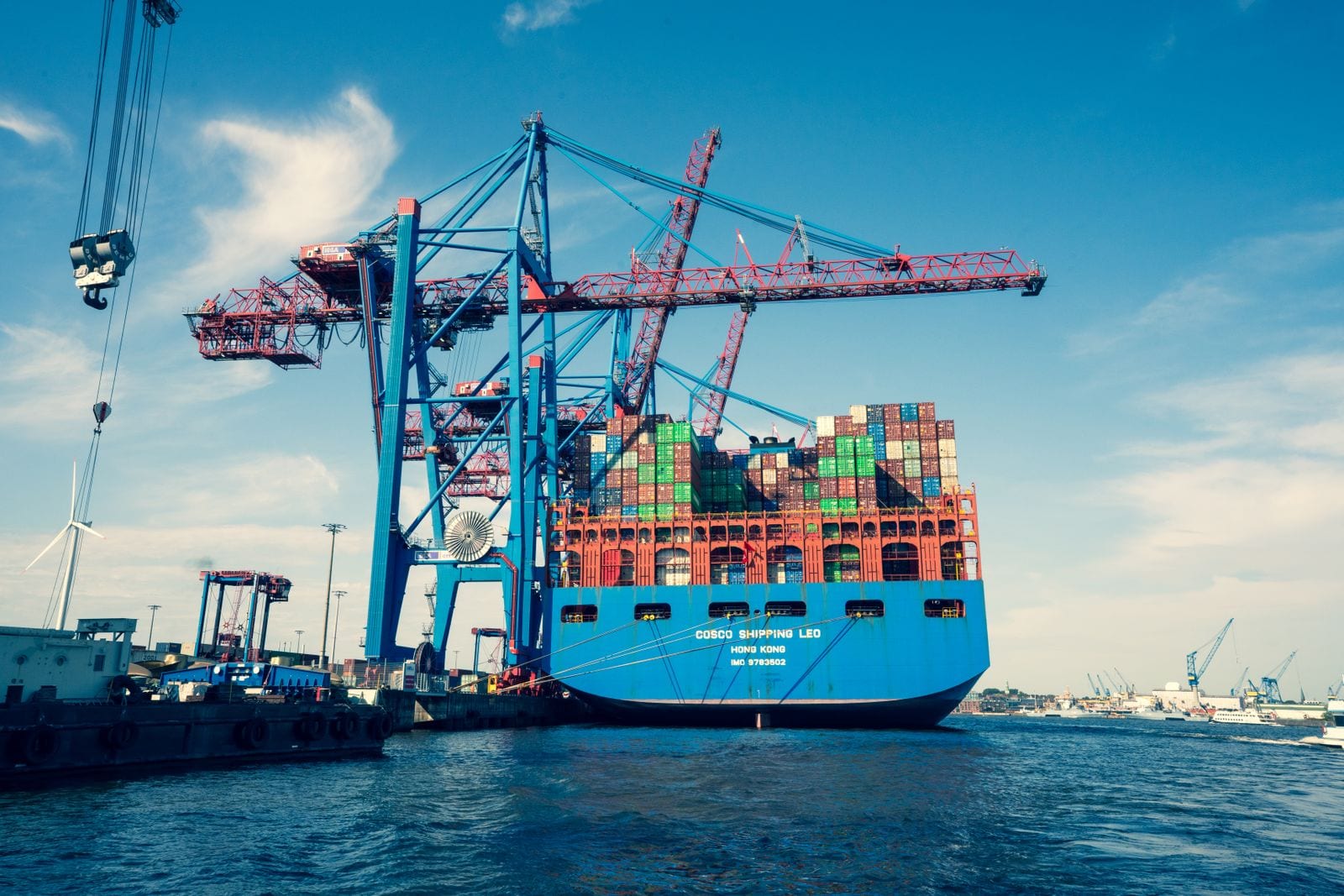
Cover photograph is illustrative.