
OUR TAKE · Rail and Inland Supply Chains
Thanksgiving rail: open hubs do not guarantee normal trains
BNSF warns of possible 48-hour intermodal delays from November 24. Its hubs keep normal hours, so train plans and receiving appointments need separate attention.
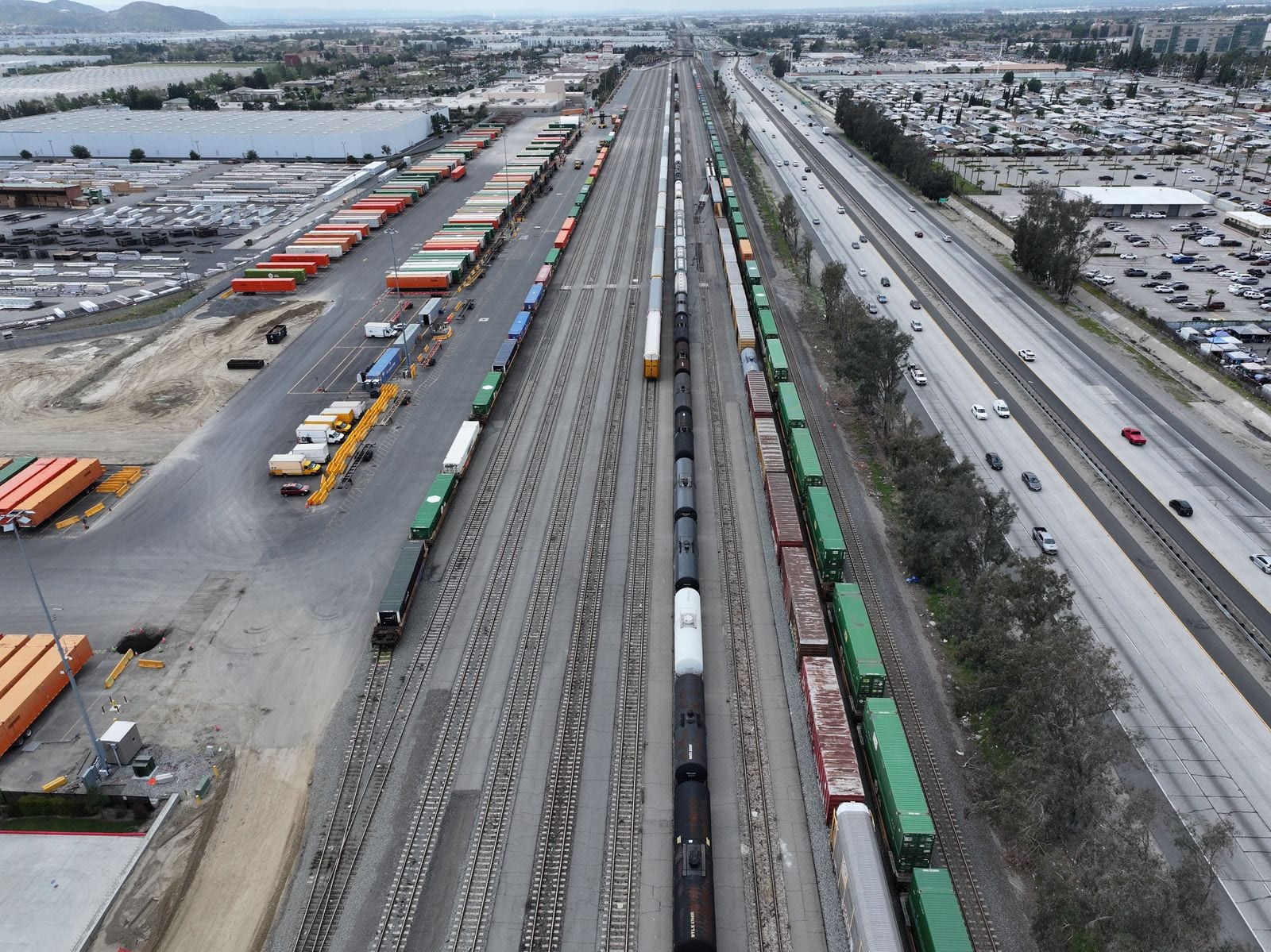
BNSF's Thanksgiving planning window reaches well beyond Thursday and Friday. Its intermodal operating advisory says shipments from November 24 through noon on December 2 may face delays of approximately 48 hours. The railroad also says every BNSF intermodal hub will keep normal working hours.
Both statements can be true. A terminal can accept or release a container while the train needed for the next leg runs on a reduced holiday plan. For an importer organising a truck and a warehouse appointment, opening hours answer only part of the delivery question.
BNSF describes an anticipated effect of its operating plan, not a delay already measured on every shipment. The approximately 48-hour figure is an anticipated delay, not a shipment-specific revised arrival time.
A terminal calendar cannot substitute for a train plan
Union Pacific's published holiday documents make the distinction unusually clear. Its November 20 update links separate train and terminal plans for November 25–27. In the operating-plan file, both Global 4 in Illinois and City of Industry in California are listed as open across those three dates. Yet the Global 4–City of Industry train ZG4CI is marked as annulled for November 26.
That is a planned service difference on a named train, rather than a claim that traffic between those terminals stops altogether. It shows why a gate-hours notice cannot establish which departure a container will make. BNSF and Union Pacific publish their own plans; one railroad's arrangements should not be applied to the other.
The receiving appointment is where the timing becomes expensive
A rail ETA is often used to organise work that happens after the train arrives: drayage, warehouse labour, unloading and onward distribution. A holiday schedule change can leave those arrangements out of step even when the container itself remains within the carrier's expected transit range.
The receiving plan therefore needs a credible path from rail availability to delivery. There is little benefit in reserving a truck against an arrival estimate if cargo release is still uncertain or the consignee cannot receive the load when it becomes available. Equally, pushing every appointment back by two days can sacrifice a workable delivery for freight whose actual train plan is unchanged.
The choice should follow the shipment's next useful milestone. For a container still waiting to depart, that is the operating plan for the intended movement. For one approaching its destination, it is availability for collection and the receiver's next usable slot. Those milestones give the transport and warehouse teams something firmer to work with than a general holiday warning.
BNSF also flags potential delays on interline traffic where connecting railroads reduce operations. A multi-railroad move needs an end-to-end estimate from the party managing that booking. Adding 48 hours independently at every handover would create a forecast the notice does not support.
Keep service allowances and commercial terms separate
The operating notice says how BNSF expects to run the holiday period. It does not set out a shipment-specific storage concession or promise that every downstream cost will be absorbed. Terminal storage terms, truck cancellation arrangements and warehouse appointments need their own commercial basis.
This is where a hurried response can add avoidable expense. Before changing a collection, the team needs to know what can still be performed, what commitment is being cancelled and which later slot is actually available. A written exception plan is more useful than a revised date passed between several parties with different assumptions.
BNSF says customer support will be staffed at a limited level on Thanksgiving Day and November 27, with normal coverage resuming November 28. Resolve movements with little delivery flexibility before those reduced-coverage days where possible, using the railroad or the logistics provider responsible for the shipment.