
OUR TAKE · Seafood Logistics and Trade Compliance
EU seafood paperwork needs an owner before cargo moves
US maritime commissioners have raised concerns about EU CATCH-related delays. Seafood exporters need an agreed documentary handover alongside the physical cold chain.
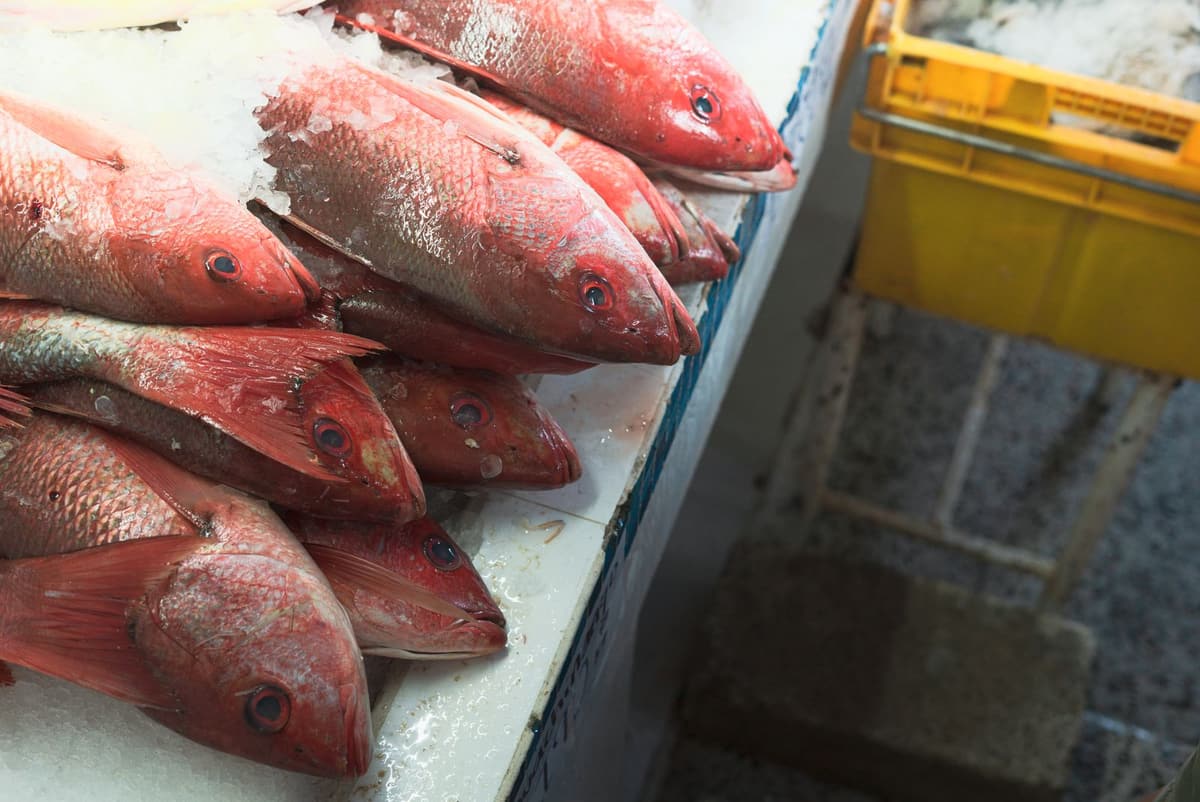
Illustrative stock photograph; not a named event, company operation or affected consignment. Photo: Los Muertos Crew / Pexels · Pexels License.
A seafood shipment can have a booked sailing, a working refrigeration plan and an unresolved document handover. In that situation, faster transport does little to protect the delivery promise. The importer still needs a usable submission and a way to resolve the authority's questions.
In a November 25 statement, US Federal Maritime Commission members Laura DiBella and Max Vekich raised concerns about reports that EU CATCH-related documentation requirements may delay legally harvested US seafood. The statement explicitly identifies their views as their own, not necessarily the Commission's position. It announces no exemption, penalty or change to EU entry requirements.
Their concern is a reason to examine the documentary chain alongside the cargo's journey. It is not evidence that every US seafood shipment is being held or that a carrier can resolve a certificate issue by changing the route.
Establish which process applies to the product
Ireland's Sea-Fisheries Protection Authority guidance says EU importers must use CATCH to submit catch certificates and related documents for fishery products subject to the relevant illegal, unreported and unregulated fishing controls from January 10, 2026. It distinguishes covered wild-caught produce from exempt products, including the aquaculture and freshwater categories described in its guidance.
That product boundary matters when a forwarder handles mixed seafood traffic. A single instruction headed “fish documents” can conceal consignments following different requirements. The exporter and EU importer need to identify the applicable process for the actual goods, rather than infer it from a broad commodity description.
A catch-document submission also sits alongside the existing import process. It should not be treated as a substitute for every other applicable certificate or border step. The importer needs a complete account of its consignment's requirements before logistics promises a release time.
Name the person who can fix the submission
The physical shipment and documentary record should have an agreed connection: the goods, quantities, certificate references and responsible parties must describe the same consignment. A commercial change after packing can matter if the importer is still working from the earlier information.
Before dispatch, the exporter should know who will submit the relevant record and who can answer questions about its source information. The forwarder needs a contact able to resolve those questions, not simply a mailbox copied on the shipment notice.
If part of the document pack remains unresolved, operations needs a decision about the cargo while it is still possible to change collection or storage arrangements. Leaving that decision until arrival can narrow the available options. It does not follow that every incomplete file requires the same response; the importer and competent authority must establish the particular consignment's position.
Separate a policy dispute from a shipment instruction
The commissioners' statement concerns possible effects on US oceanborne trade. It does not provide a measured delay series or a clearance commitment for an individual export. A company should preserve evidence of a real documentary problem without turning a reported concern into an assumed outcome for every booking.
Useful records distinguish when information was supplied, when a submission was made, what clarification was requested and when a response was provided. That sequence can identify whether the bottleneck lies in missing exporter information, the importer handover or an authority's consideration of the file. It can also support a specific escalation instead of a general complaint about “customs”.
For perishable cargo, the person controlling the shipment must receive the resulting instruction promptly. The goal is to avoid a split decision in which the documentary team knows a question is unresolved while the transport team continues on the assumption that release is routine.
The next seafood booking should carry that ownership arrangement with it. Refrigeration protects the product during its journey; a complete, owned documentary handover protects the decision to start that journey.